
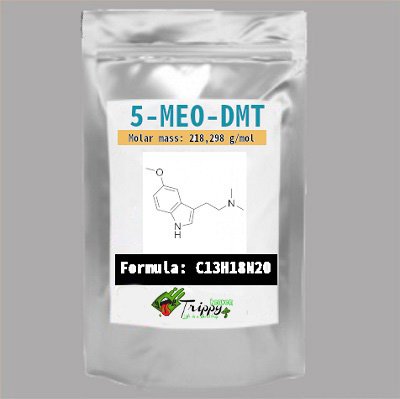


5 Meo DMT
5 MeO DMT, short for 5-Methoxy-N,N-Dimethyltryptamine, is a naturally occurring psychedelic compound that has attracted growing attention among researchers, neuroscientists, and those interested in the study of consciousness.
In recent years, interest in psychedelic science has expanded significantly throughout the United States, including in Las Vegas, Nevada. As public conversations surrounding psychedelics continue evolving, many people are seeking reliable information about compounds such as 5-MeO-DMT, how they differ from other psychedelics, what current research suggests, and what potential risks should be understood.
Unlike many substances discussed in popular culture, 5-MeO-DMT is frequently described as producing profound alterations in awareness that can be difficult to describe using ordinary language. Researchers continue investigating its effects on perception, cognition, emotional processing, and consciousness itself.
This guide provides a comprehensive educational overview of 5-MeO-DMT, including its origins, reported effects, scientific research, legal considerations, and frequently asked questions.
Why Interest in 5-MeO-DMT Is Growing in Las Vegas
Las Vegas has become increasingly associated with conversations surrounding wellness, mental health innovation, consciousness studies, and emerging psychedelic research.
As interest in psychedelic science expands across the country, many individuals in Las Vegas are searching for information about compounds that have become the subject of scientific investigation and public discussion.
Educational interest in 5-MeO-DMT has increased due to several factors:
- Growing research into psychedelic compounds
- Public discussions about altered states of consciousness
- Increased media coverage of psychedelic science
- Expanding interest in neuroscience and psychology
- Curiosity about naturally occurring psychoactive substances
While much remains unknown, ongoing scientific studies continue contributing to a broader understanding of how psychedelic compounds affect the human brain and subjective experience.
The History of 5-MeO-DMT
5-MeO-DMT has been known to science for decades.
Researchers first identified the compound in various plant species and later discovered its presence in the secretions of the Sonoran Desert Toad, scientifically known as Incilius alvarius.
Over time, scientists began investigating the chemical structure and pharmacological properties of the compound.
Throughout the twentieth century, interest remained relatively limited compared to other psychedelics. However, the resurgence of psychedelic research during the twenty-first century has renewed attention on DMT.
Today, scientists continue studying how the compound interacts with the brain and what role it may play in understanding consciousness and perception.
Where Does 5-MeO-DMT Occur Naturally?
One reason DMT has attracted scientific attention is because it occurs naturally in multiple biological sources.
Researchers have identified the compound in:
- Certain plant species
- Various natural ecosystems
- The Sonoran Desert Toad
The Sonoran Desert Toad inhabits regions of the southwestern United States and northern Mexico, making it particularly relevant to discussions occurring throughout Nevada and neighboring states.
Modern scientific research increasingly emphasizes conservation and ethical considerations regarding wildlife and natural habitats when discussing naturally occurring compounds.
How Does DMT Work?
Scientists believe 5-MeO-DMT primarily affects serotonin receptor systems within the brain.
Serotonin is a neurotransmitter involved in numerous processes, including:
- Mood regulation
- Perception
- Memory
- Emotional processing
- Cognitive function
By interacting with serotonin receptors, DMT may alter how information is processed and experienced.
Researchers continue investigating the precise neurological mechanisms responsible for the unique experiences commonly associated with the compound.
Although significant progress has been made, many questions remain unanswered.
5-MeO-DMT vs. N,N-DMT
One of the most frequently searched questions is:
What is the difference between 5-MeO-DMT and DMT?
Although the compounds share structural similarities, reports suggest they can produce notably different experiences.
N,N-DMT
N,N-DMT is often associated with:
- Complex visual imagery
- Geometric patterns
- Bright colors
- Perceived encounters with entities
- Immersive visual experiences
5-MeO-DMT
5-MeO-DMT is more frequently associated with:
- Altered self-perception
- Feelings of interconnectedness
- Changes in awareness
- Reduced emphasis on visual phenomena
- Experiences described as non-dual or transcendent
Researchers note that subjective experiences vary significantly between individuals and should not be viewed as universal outcomes.
Commonly Reported Effects of 5-MeO-DMT
Scientific literature and participant reports have described a variety of effects associated with 5-MeO-DMT.
These may include:
Psychological Effects
- Altered thought patterns
- Changes in awareness
- Increased introspection
- Emotional intensity
- Altered perception of self
Perceptual Effects
- Sensory changes
- Altered time perception
- Shifts in spatial awareness
- Changes in perception of reality
Emotional Effects
- Heightened emotional responses
- Feelings of awe
- Increased personal reflection
- Emotional release
Experiences vary considerably depending on individual factors, mindset, environment, and psychological history.
How Long Do the Effects Last?
One characteristic that distinguishes DMT from many other psychedelics is its relatively short duration.
Although experiences are often described as intense, they are generally shorter than those associated with several other psychedelic compounds.
Researchers have noted that many individuals report returning to their baseline state of awareness relatively quickly compared with other well-known psychedelics.
However, personal reflections and emotional processing may continue long after the immediate effects have ended.
Potential Risks and Safety Considerations
Any discussion of psychoactive substances should include an understanding of potential risks.
Psychological Risks
Some individuals may experience:
- Anxiety
- Fear
- Emotional distress
- Confusion
- Difficult psychological experiences
Physical Risks
Psychoactive substances may affect:
- Heart rate
- Blood pressure
- Coordination
- Awareness of surroundings
Individual Differences
Responses vary significantly between individuals.
Factors that may influence outcomes include:
- Mental health history
- Current emotional state
- Physical health
- Medications
- Personal sensitivity
Because of these variables, researchers emphasize the importance of education and informed decision-making.
Current Scientific Research
Modern psychedelic research has expanded rapidly over the past decade.
Scientists are studying various psychedelic compounds to better understand:
- Consciousness
- Perception
- Emotional processing
- Neuroplasticity
- Brain network activity
Research involving psychedelic compounds remains an evolving field, and many questions continue to be investigated through controlled scientific studies.
Universities, medical institutions, and research organizations worldwide are contributing to this growing body of knowledge.
What Scientists Are Learning About Consciousness
One reason compounds such as DMT generate scientific interest is their apparent ability to alter conscious experience in profound ways.
Researchers are using advanced brain-imaging technologies to investigate:
- How perception is constructed
- How self-awareness functions
- How the brain organizes information
- How altered states affect cognition
These studies may eventually contribute to a deeper understanding of the human mind itself.
Legal Status of DMT in Nevada and Las Vegas
Legal frameworks involving psychoactive substances can be complex and subject to change.
Individuals interested in learning about DMT should consult current laws and regulations from official government sources regarding Nevada and Las Vegas.
Because legislation evolves over time, relying on updated information is essential when researching any controlled substance.
Understanding the legal landscape is an important component of responsible education.
Ethical and Environmental Considerations
Conversations surrounding naturally occurring psychedelic compounds increasingly include ethical considerations.
Topics often discussed include:
- Wildlife conservation
- Habitat protection
- Sustainable research practices
- Ethical scientific study
These issues have become increasingly important as public awareness of naturally occurring compounds has expanded.
Frequently Asked Questions About 5-MeO-DMT
What is 5-MeO-DMT?
DMT is a naturally occurring psychedelic compound belonging to the tryptamine family.
Is 5-MeO-DMT the same as DMT?
No. Although structurally related, 5-MeO-DMT and N,N-DMT are distinct compounds that are commonly reported to produce different subjective effects.
Why is 5-MeO-DMT considered unique?
Researchers and participants often describe it as producing profound alterations in awareness, perception, and self-experience.
Is scientific research on 5-MeO-DMT ongoing?
Yes. Researchers continue studying the compound’s effects on consciousness, perception, and brain function.
Does everyone experience the same effects?
No. Individual responses vary significantly depending on numerous biological and psychological factors.
Why are people in Las Vegas searching for information about DMT?
Growing interest in psychedelic science, consciousness studies, and mental health research has contributed to increased public curiosity throughout Las Vegas and across the United States.
Final Thoughts
5-MeO-DMT remains one of the most intriguing compounds currently discussed within psychedelic science and consciousness research.
Its unique effects, naturally occurring origins, and growing scientific interest continue to attract attention from researchers, educators, and curious learners throughout Las Vegas and beyond.
While many questions remain unanswered, ongoing research is helping scientists better understand how compounds such as DMT influence perception, awareness, and the human experience itself.
As the field of psychedelic research continues evolving, access to accurate, balanced, and evidence-based information remains essential. Whether your interest stems from neuroscience, psychology, consciousness studies, or general curiosity, understanding the current state of knowledge surrounding DMT provides valuable insight into one of the most fascinating areas of modern scientific exploration.
| Quantity | 5g, 10g, 1/2 Oz, 1 Oz |
|---|
Be the first to review “5 Meo DMT”
Related products

DMT
DMT
DMT

DMT
DMT
Reviews
There are no reviews yet.